NavList:
A Community Devoted to the Preservation and Practice of Celestial Navigation and Other Methods of Traditional Wayfinding



From: Frank Reed
Date: 2025 Feb 4, 08:12 -0800
Two weeks ago, David Pike wrote a fine account of the problems associated with primary source evidence in aviation. Among other points, he wrote:
Even Navigators, the trustiest of aircrew, age eventually, and memory can become strained. The exciting bits are always remembered, but memories of the routine bits in between tend to fail us so there is the temptation to improvise. That’s why paperwork completed at the time things happened is so valuable. Often of course, the paperwork, the crew, and the aircraft all disappear at the same moment, and theories as to what might have happened perpetuate for decades. Be aware also that copies of charts might not be exactly what was written in the air. They might have been simplified for presentation in a book or have had more writing added to them after landing. E.g. Some of the neat tidy writing on copies of Chichester’s Tasman Sea charts couldn’t possibly have been written in the air in a tiny, not particularly stable biplane flying close to the sea, and Chichester does mention this in his book.
It's the problem of "memoirs". Many histories turn to autobiographic memoirs written decades after events. As David noted above, memories becomes strained, but "memoirs" are distinct from memories since the author is usually trying to make a point, sell a story, intentionally omitting details deemed trivial or even embarrassing and highlighting methods perceived by the author as "genius". Memoirs highlight the creative genius recounting the events (the author's own pride showing) and recommended techniques, the author's advice, rather than actual techniques. Memoirs are often treated as "famous last words" by their authors, a chance to "set the record straight" and pass along advice to the next generation.
Just a few minutes ago I came across an example of bias in a memoir in the history of computing, and before I had even said the words in my head, the reviewer said them for me. The book is part one of "Source Code" by Bill Gates, recounting his rise to huge success in Microsoft. Of course, many older tech fans still get great joy pissing on Bill Gates, completely ignoring the modern scumbags of tech, like Elon Musk, who make the supposed "crimes" of Bill Gates look almost quaint. Even so, this is Gates writing his own memoirs, and as the reviewer in "The Economist" says, the text is "self-mythologising and self-justifying". More so than average for Gates? I can't say since I haven't read it. But this is necessarily true of all memoirs. Self-mythology is the thing! If we turn to memoirs for history, we are viewing the past through a frosted lens [see "Rickenbacker" (1969?), for example]. Memoirs are not useless, of course. We can work within their biases if we remember that bias exists.
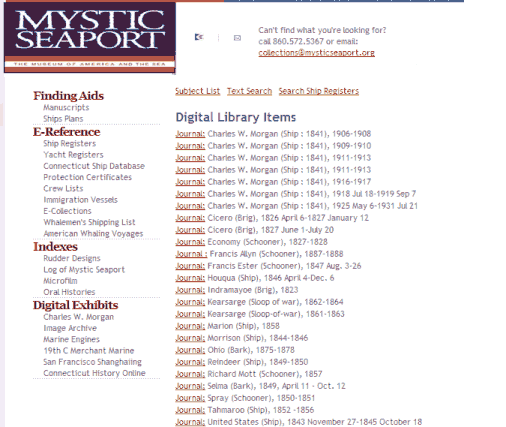
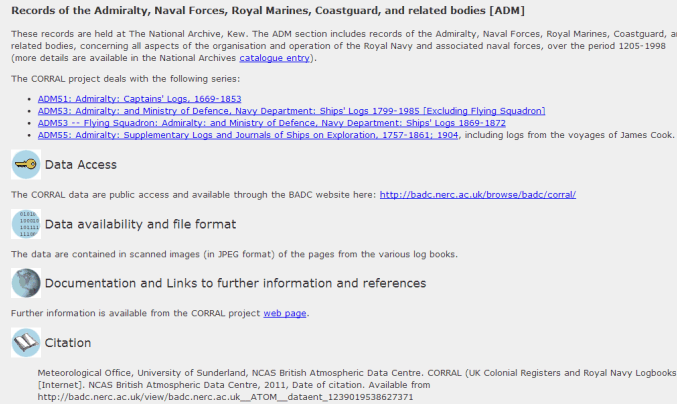
Back to air navigation briefly, it's intriguing how difficult it can be to locate even small samples of actual "primary source" aerial celestial navigation compared to the history of marine navigation. The corporate and social structure of the fields are remarkably different, and data "up in the air" is jealously guarded. From mariners we have thousands of logbooks both commercial and naval on vessels of all sizes, readily available in museums at little or no cost to researchers, and many of those include actual examples, computed on the instant, of latitudes and longitudes and other navigational data. We can look over their shoulders and understand not just the technical aspects but the style and the personal aspects of their navigation. So very little similar material is available in the history of air navigation. Instead most of the recommended resources, here in our messages, for example, are effectively "textbooks", manuals, recommended practice, or when historic practice is described at all, it's usually in memoirs, which are almost always "self-mythologising and self-justifying", just like the memoirs of Bill Gates. The primary source materials are out there, and in a few decades enough may become available for real research and a genuine understanding of the actual historical practice of air navigation. But we're not there yet...
Frank Reed