NavList:
A Community Devoted to the Preservation and Practice of Celestial Navigation and Other Methods of Traditional Wayfinding



From: David Pike
Date: 2025 Dec 19, 14:30 -0800
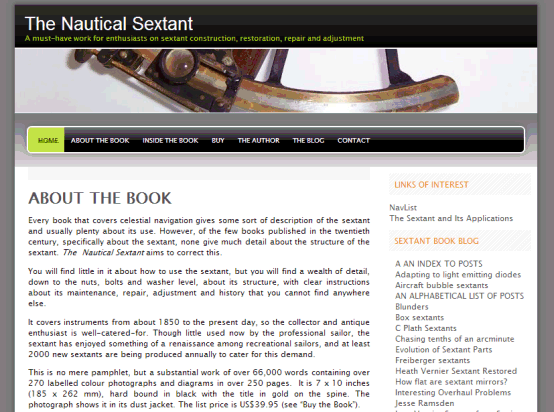
Dare I draw reader’s attention to the following video https://www.youtube.com/watch?v=kenXNQq75iw , the illustration of which I just happened to notice while searching Google Images for something completely different. If you listen to it all the way through, the chap comes across as quite genuine and honest with no illusion over exactly what he’s dealing with. His results are about what you might expect. Did he strike lucky over longitude? Perhaps not. When you think about it, especially if you only wanted longitude, so long as you don’t touch the index arm between the approximately 30minutes before expected meridian passage shot and when the Sun drops back into place again, you’re just comparing pictures. The height sextant doesn’t matter. You don’t even need to read it. If you used edge to edge rather than centre over centre, and your watch was spot on, you might get a reasonable longitude. The vital thing is, don’t touch that index setting between shots. Of course you’d need to come back tomorrow to get your latitude. Who’s going to be the first one to try it and report back? (using a duff bubble sextant if that’s all you’ve got is allowed)
DaveP