NavList:
A Community Devoted to the Preservation and Practice of Celestial Navigation and Other Methods of Traditional Wayfinding


From: Norman Baatz
Date: 2025 Apr 22, 01:24 -0700
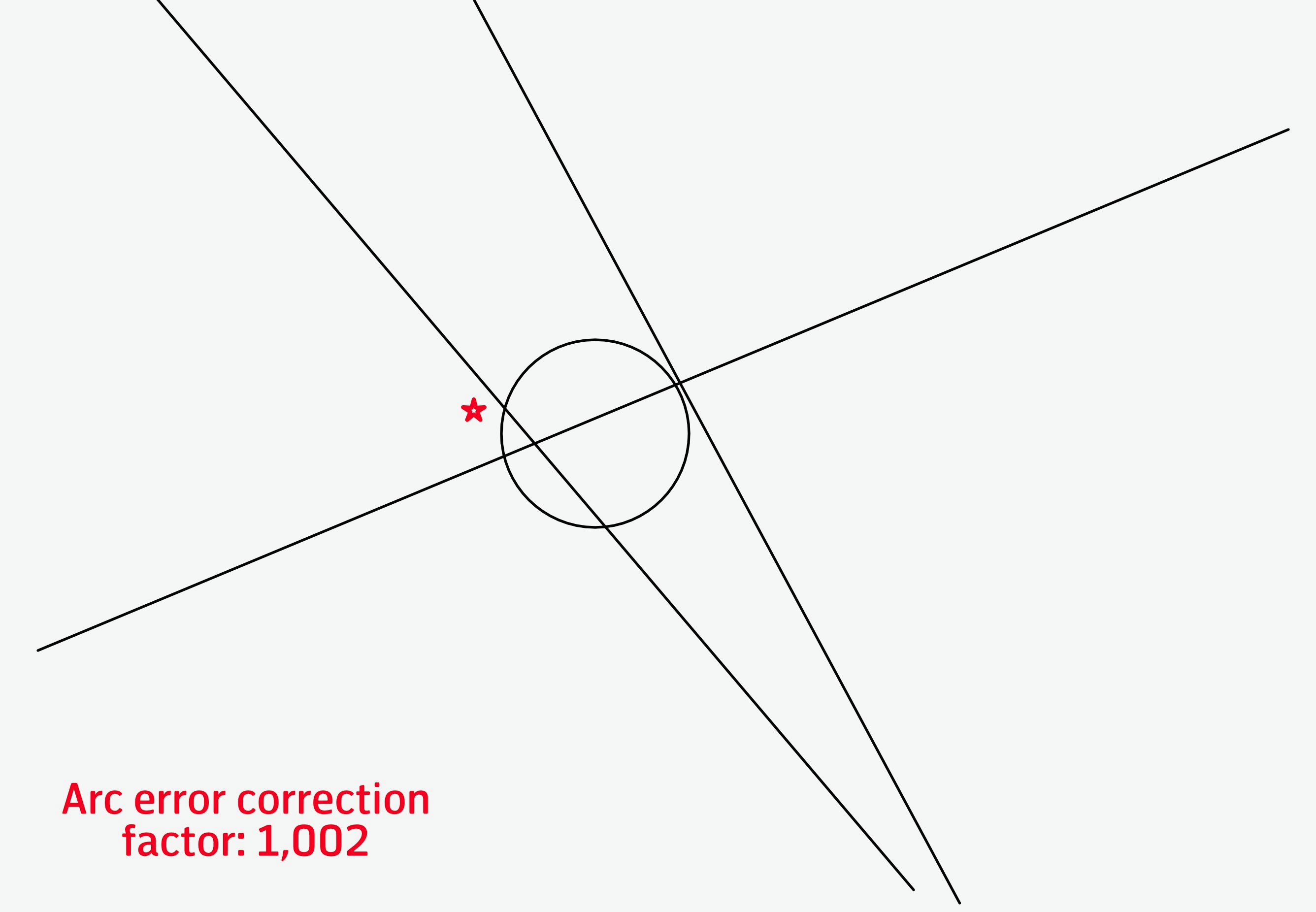
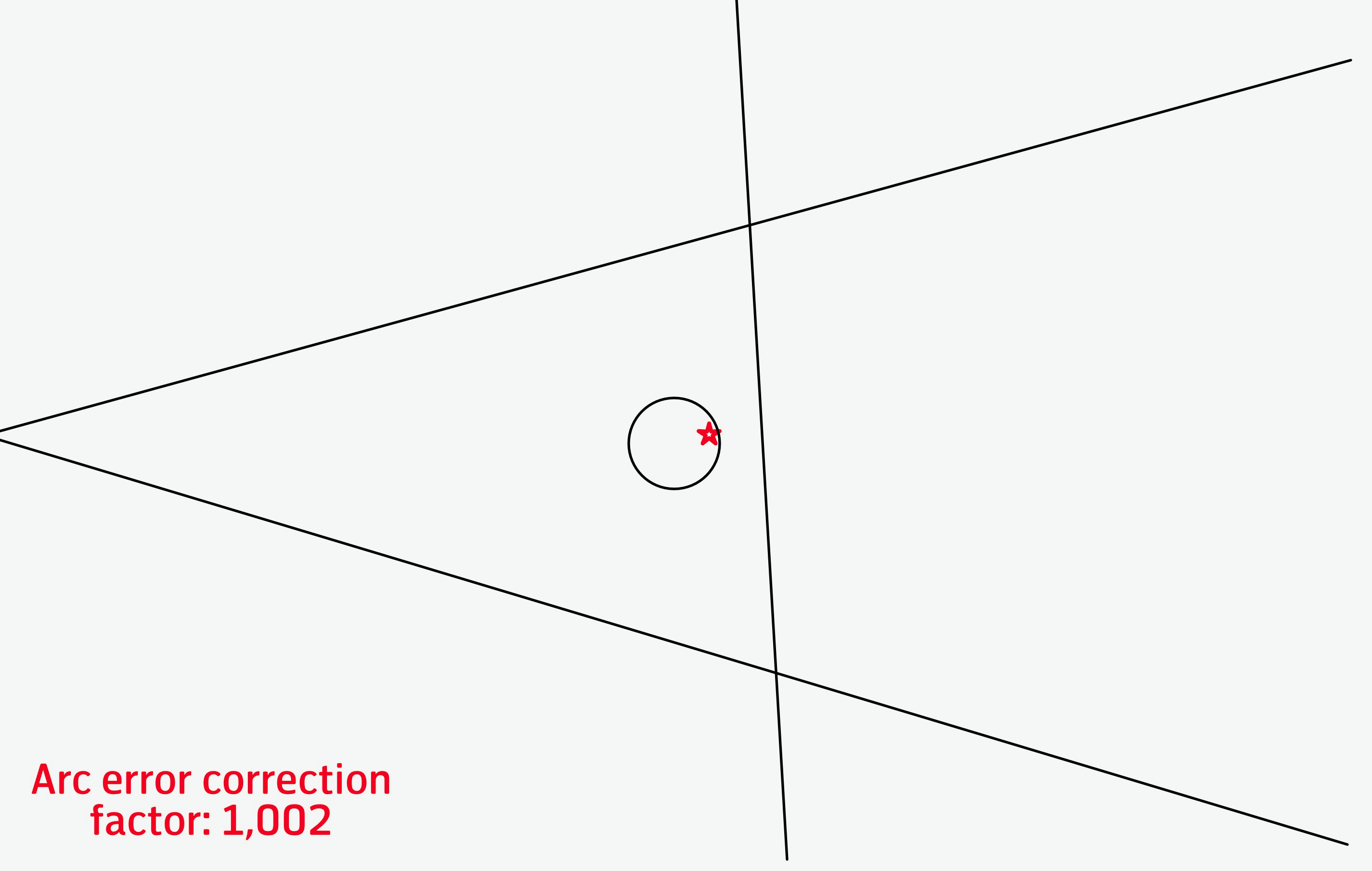
Together with the two images below you now see all four days of sightings since I have been keeping track of them. As opposed to the recent two from my earlier message, where on each day I took two sets of multiple sightings in quick succession and could thus ignore outliers, these two days here are just three single sightings at three random times of a day, as off as they might have been. Even so, the circle is again very close to the actual location of the sightings, marked with a star.
Again, the circle has a diameter of about 1.2nm, the circle and lines are the output from the online program by August Linnman, and the circle is the "official" output from the program. If you supply more than two sightings, the circle is weighted by an algorithm, where 90 degree intersections have more weight in the resulting fix than sharper angles; you can see the effect here.
I would be very interested to see other peoples results. Or to get pointers what I still need to consider. But I must say, four days of sightings with a Davis Mark 3 have so far yielded surprisingly close fixes, after applying a simple linear correction. And if this is just a "four day fluke", I am sure I will find out in the next few weeks.
John: From what I read, Greg Rudzinski has a metal sextant that he used to create a rough arc correction table for the Davis Mark 3. Assuming you don't have a metal sextant, you could plot things like I did and / or use Frank's app to compare your altitudes with what the app is showing. Frank noticed that for my sextant and the factor I currently am using the correction happens to be to subtract "one minute of arc every 8°".
Norman