NavList:
A Community Devoted to the Preservation and Practice of Celestial Navigation and Other Methods of Traditional Wayfinding


From: Norman Baatz
Date: 2025 Apr 24, 05:31 -0700
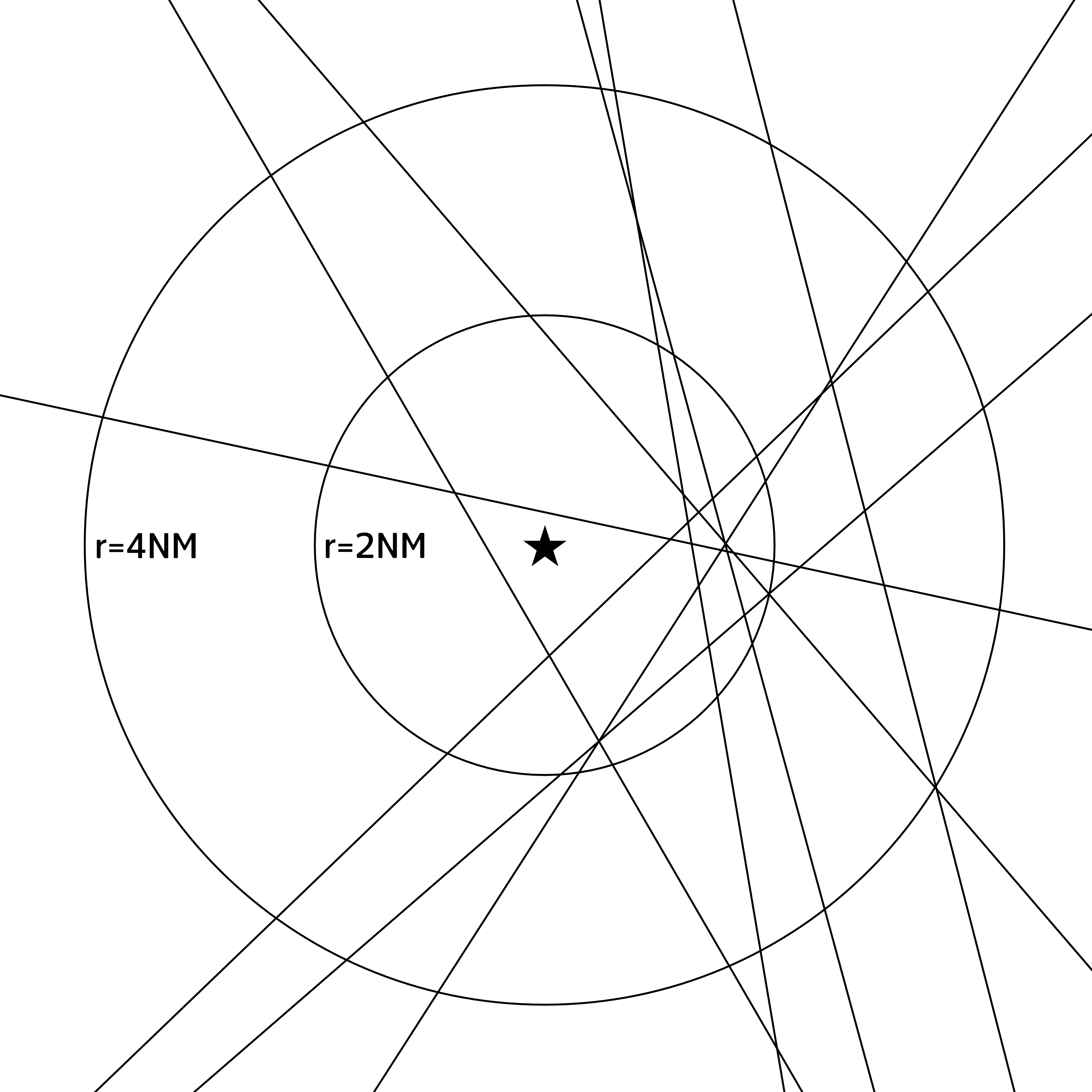
Here the LOPs from all my sightings from last week, all since I have started taking 4 sightings in quick succession for each LOP with my Davis Mark 3. Again, my spreadsheet plots a line through the 4 points and I pick a non-outlier for the LOP, and I am still dividing all angles by 1.002. But, like Frank predicted and like in a post by Greg, it is starting to look as if a plain linear approach probably won't be moving the weighted average of all fixes more WNW by 1 to 2 NM. It is even starting to look like as if the earlier the shots are during the day, the "closer to the sun" the LOPs are, and the later the shots are in the day, the "farther away from the sun" the LOPs are. (I still need to take a few more morning sightings.) What could explain this?
I will be keeping this up for a while---and maybe a "standard calibration" table like Greg's will be the result---even though it is a pain to calibrate the plastic sextant before each sighting (vertical correction via index mirror screw, writing down the index correction). I don't know if I would be using a plastic sextant on a boat :) If anybody else has done something like this, please share or point it out to me. (I have seen David Burch's sextant tests from Victoria to Maui.)
Further background information: I am using an artificial horizon, centered sightings. The star in the attached image is the actual location. I have hidden the underlying map. The LOPs are from code by August Linnman, which I have validated against Frank's GPS Anti Spoof app, the app by Hoffrichter, and a known location.
Norman