NavList:
A Community Devoted to the Preservation and Practice of Celestial Navigation and Other Methods of Traditional Wayfinding



From: Brian Walton
Date: 2025 Aug 3, 22:49 -0700
Coutińho had the advantage of a pilot, and a separate cockpit in his Fairey 3, large enough to accept a left- handed sextant with bubble.
Chichester had to use a box sextant, and fly himself.
Using the sea as a horizon requires excellent visibility, and salt in the air means a compromise between height and clarity. I found flying a biplane at 200' the best, as it also cancels out h/e, sun S/D and refraction corrections.
The navigator in the Hindenburg would have had a visibilty problem at that height, without a bubble, unless perhaps he had just done a sunrise sight.
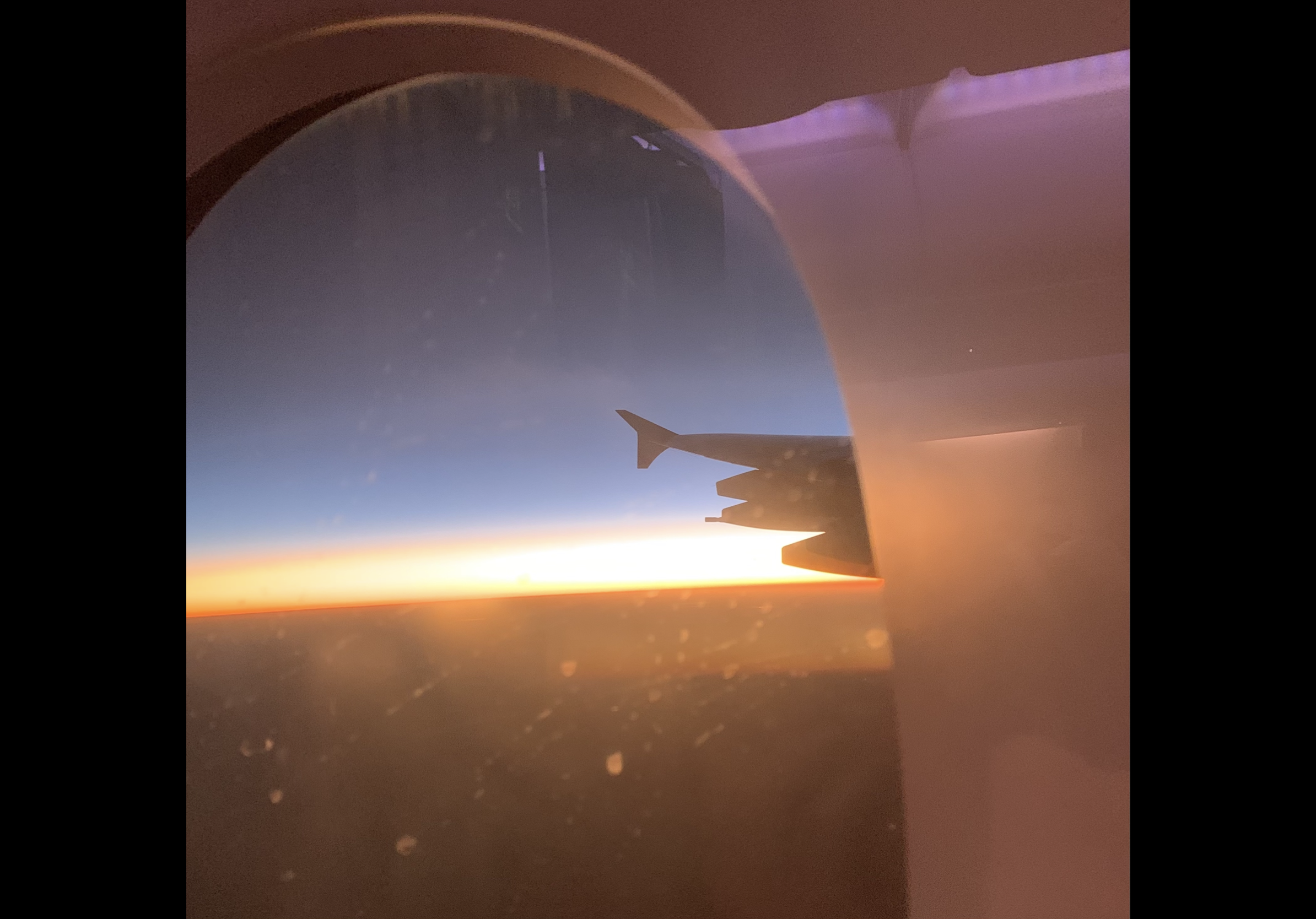
Recently I did a trip from Europe to southern Africa, near the equinox. The sun would rise on 090°- 23° = 067°, and would be masked from the cockpit by the wing. A sunrise timing was sought from a cabin window. A correction in the order of -3° is necessary, and reverse calculating sights from known positions on previous flights can build up a good enough estimation. It is only to be used to get within a hundred miles or so of a radio aid.
The Hindenburg could have done rhe same.