NavList:
A Community Devoted to the Preservation and Practice of Celestial Navigation and Other Methods of Traditional Wayfinding



From: Frank Reed
Date: 2025 Aug 1, 14:06 -0700
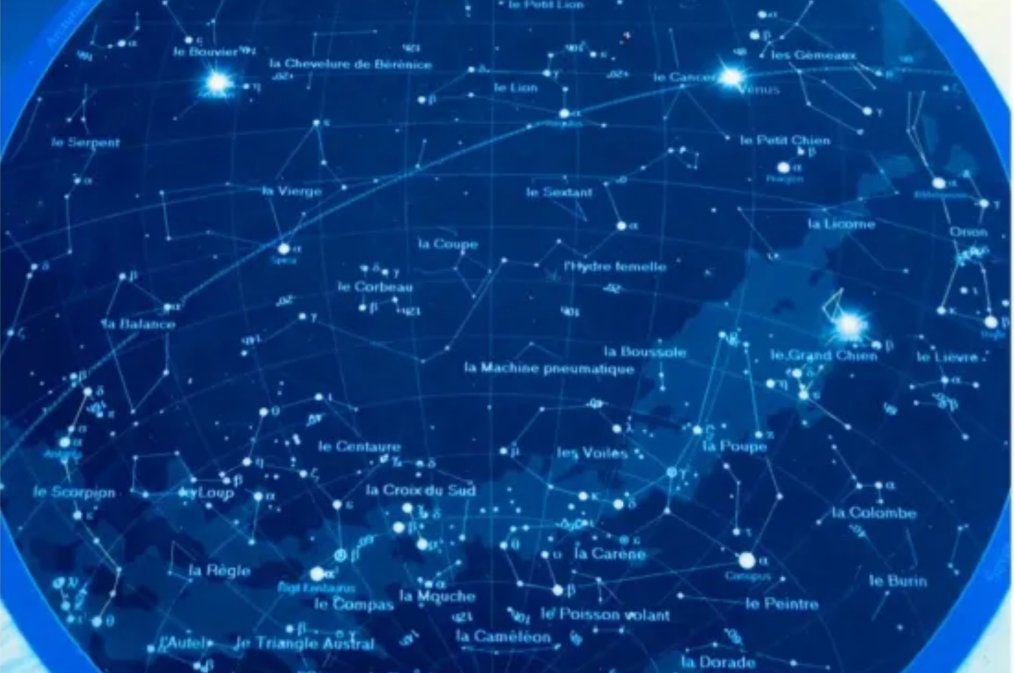
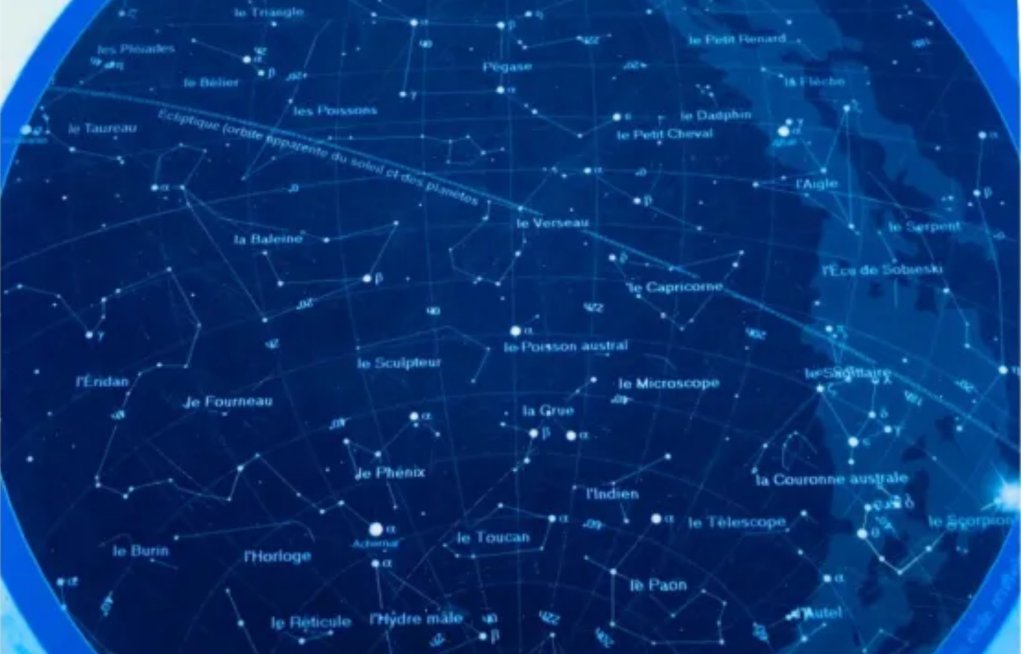
I found a couple of other photos of that sign that some of you may find interesting (attached below). Look near Castor and Pollux. See that very bright star in the chart? It's close to the ecliptic, and clearly there is no "true" star at that location. This must be a planet. It's not immediately obvious given the quality of the photos, but if you look closely it does appear to say "Venus". Hmmm... Why Venus? From various non-astronomical details that have come up, including breadfruit (!) and also the French labels on the star charts, we're looking for a location in French Polynesia, and the detailed positional astronomy or celestial navigation narrows it down to somewhere near Tahiti.
So... Tahiti itself or nearby... with Venus highlighted. Anyone care to try narrowing down the location further before the "final reveal"??
Not directly connected to celestial navigation, I also find these star charts interesting because they display a feature of the culture of astronomy that does not seem to be well-known known among fans of astronomy in English-language countries (at least US, UK). The constellations are not identified by the Latin IAU-approved names, which is nearly universal on English-language star charts. We see (fuzzy, but readable) "Le Petit Chien" and "Le Grand Chien" instead of Canis Minor and Canis Major. In the old "Argo" we have "La Poupe" and "Les Voiles" instead of Puppis and Vela. These are all simple translations, no problem. But if you open any English-language text on basic astronomy and the constellations, you might well be convinced that everybody uses the IAU Latin constellation names regularly. And that isn't so.
Frank Reed