NavList:
A Community Devoted to the Preservation and Practice of Celestial Navigation and Other Methods of Traditional Wayfinding



From: Frank Reed
Date: 2025 Oct 2, 09:30 -0700
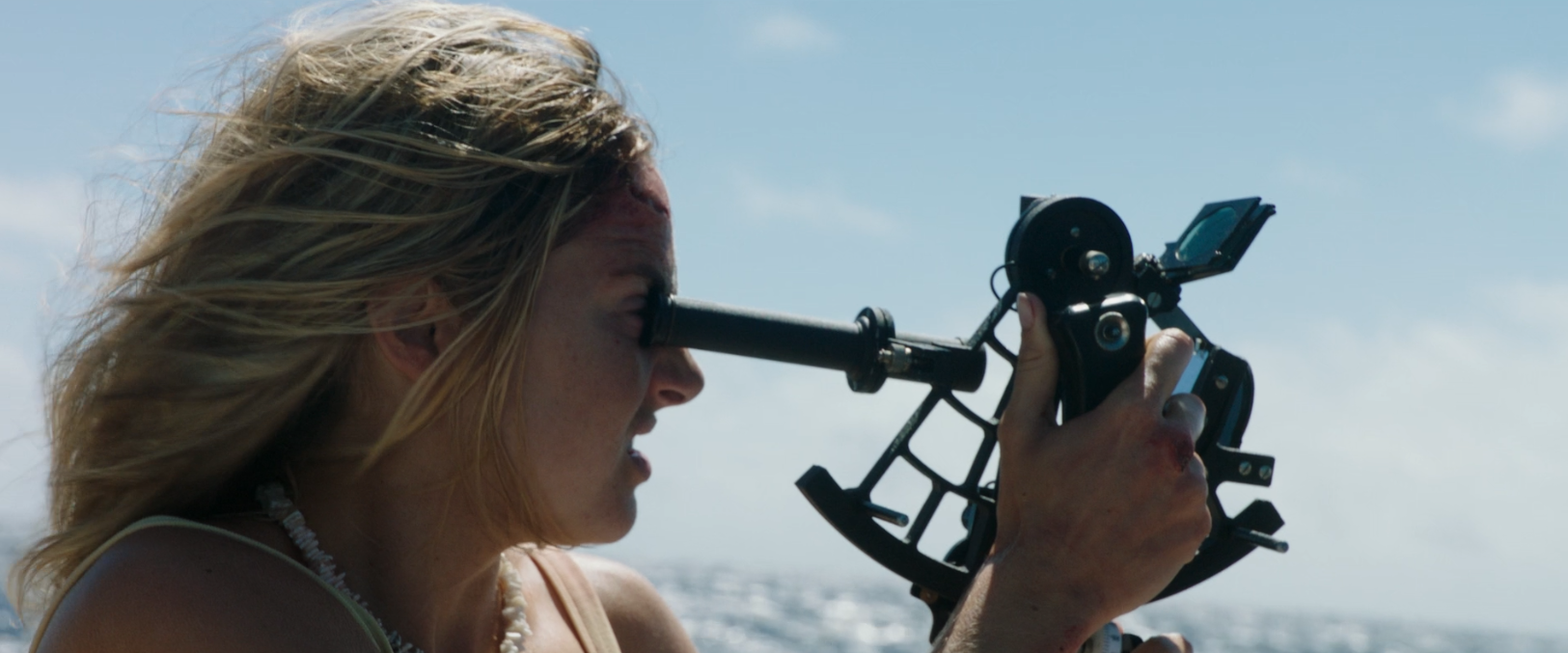
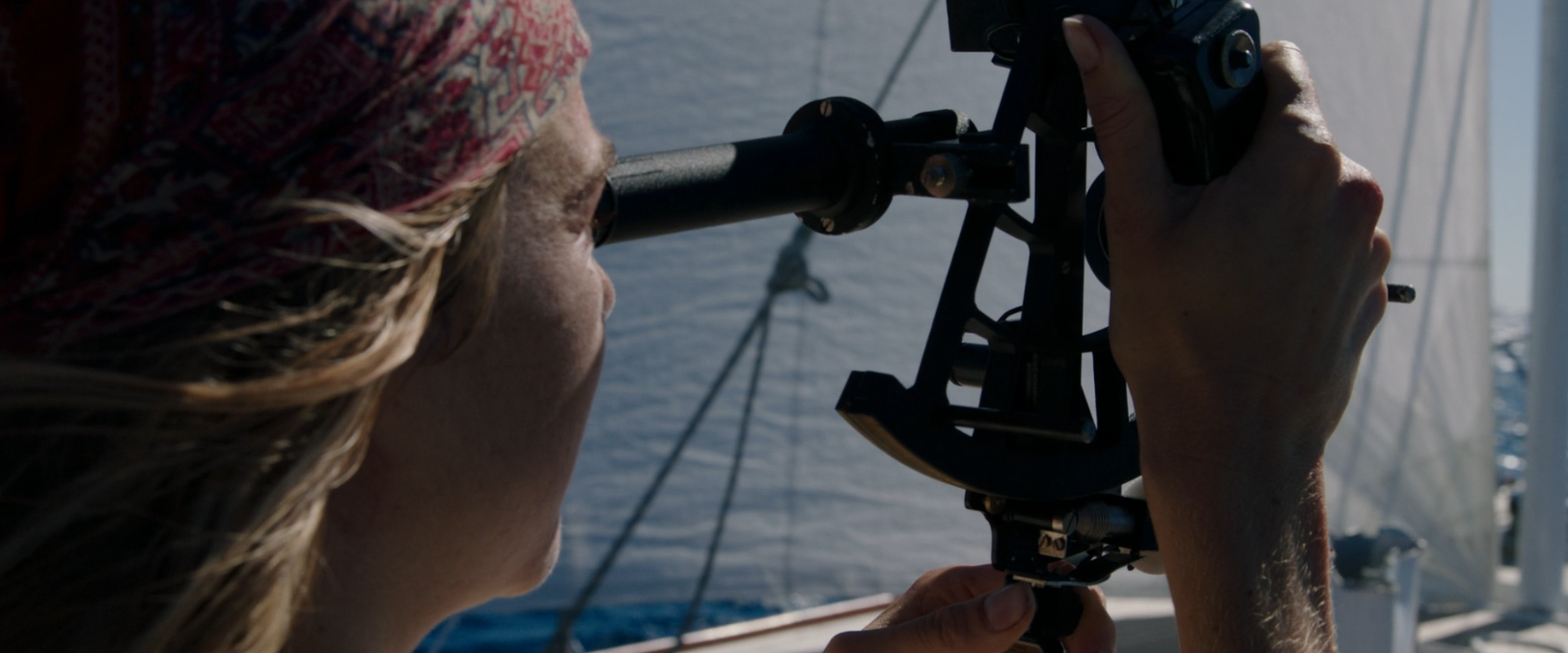
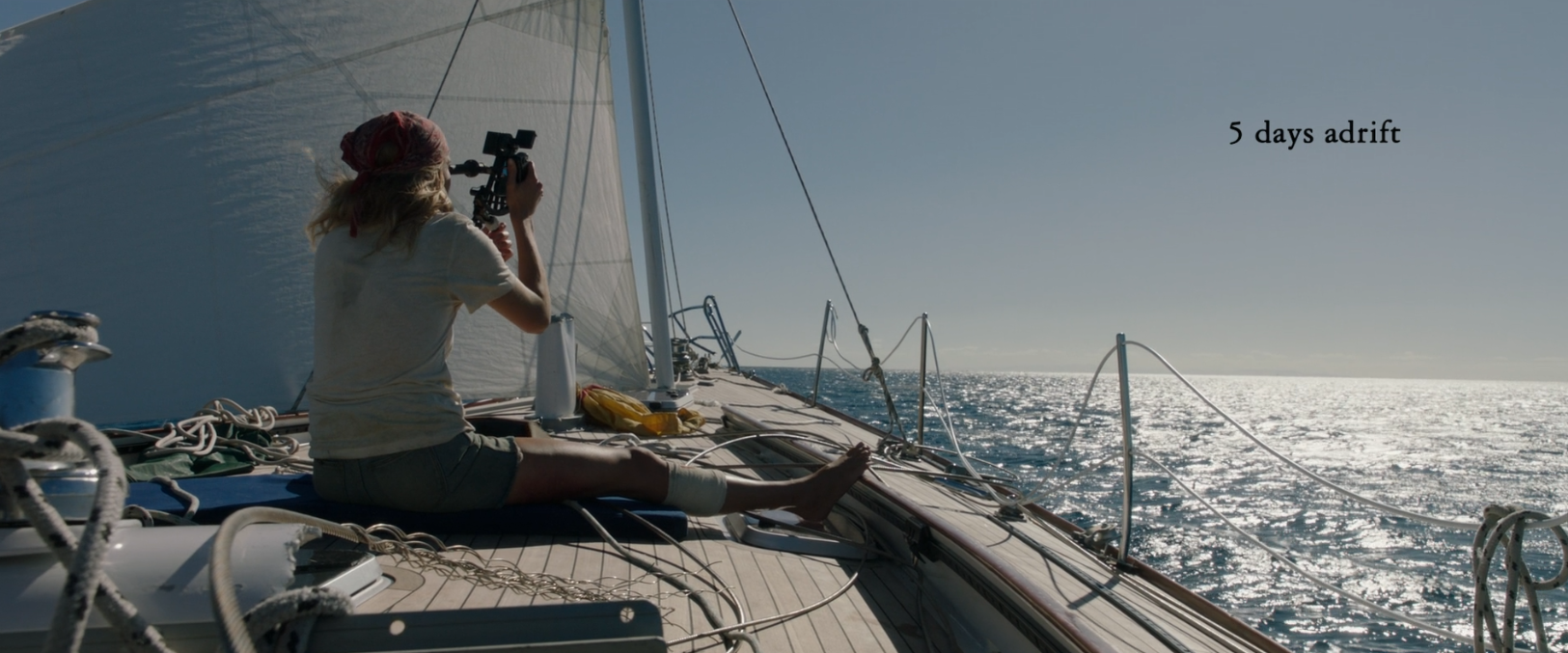
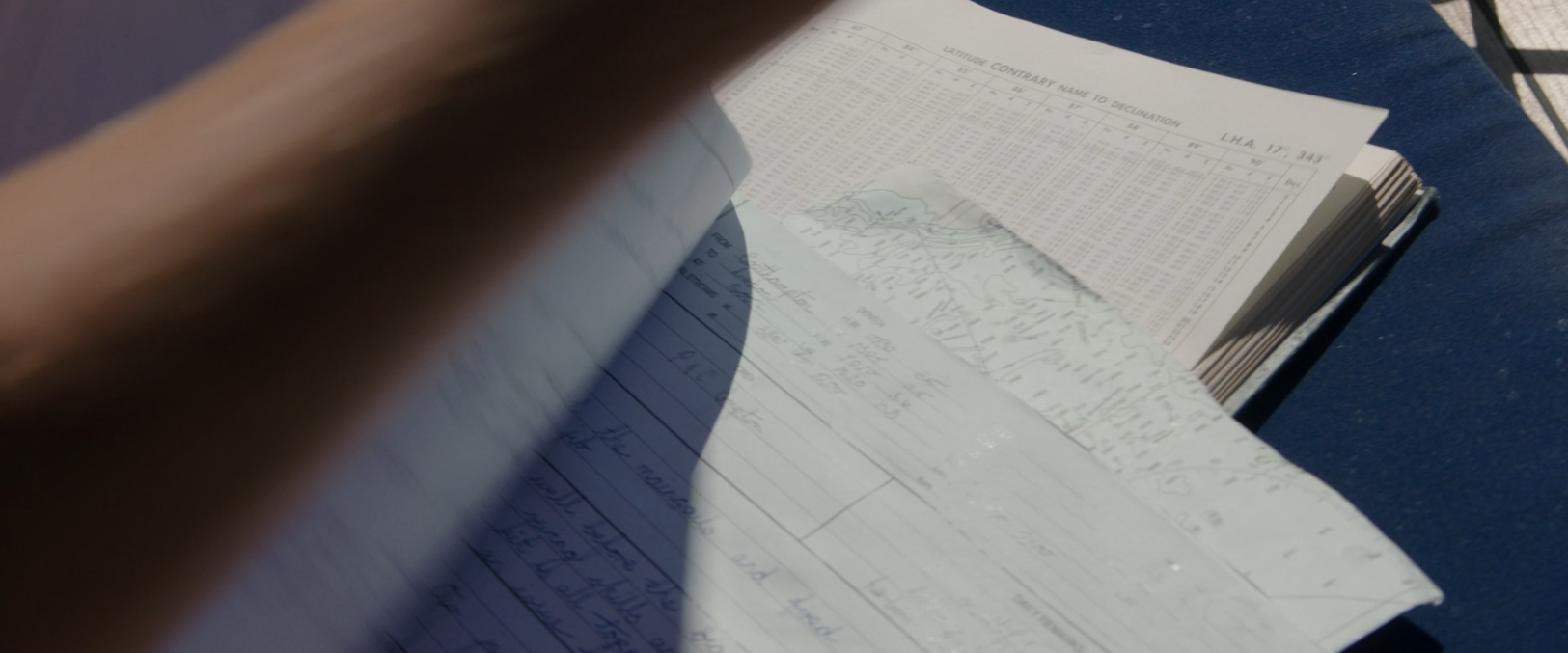
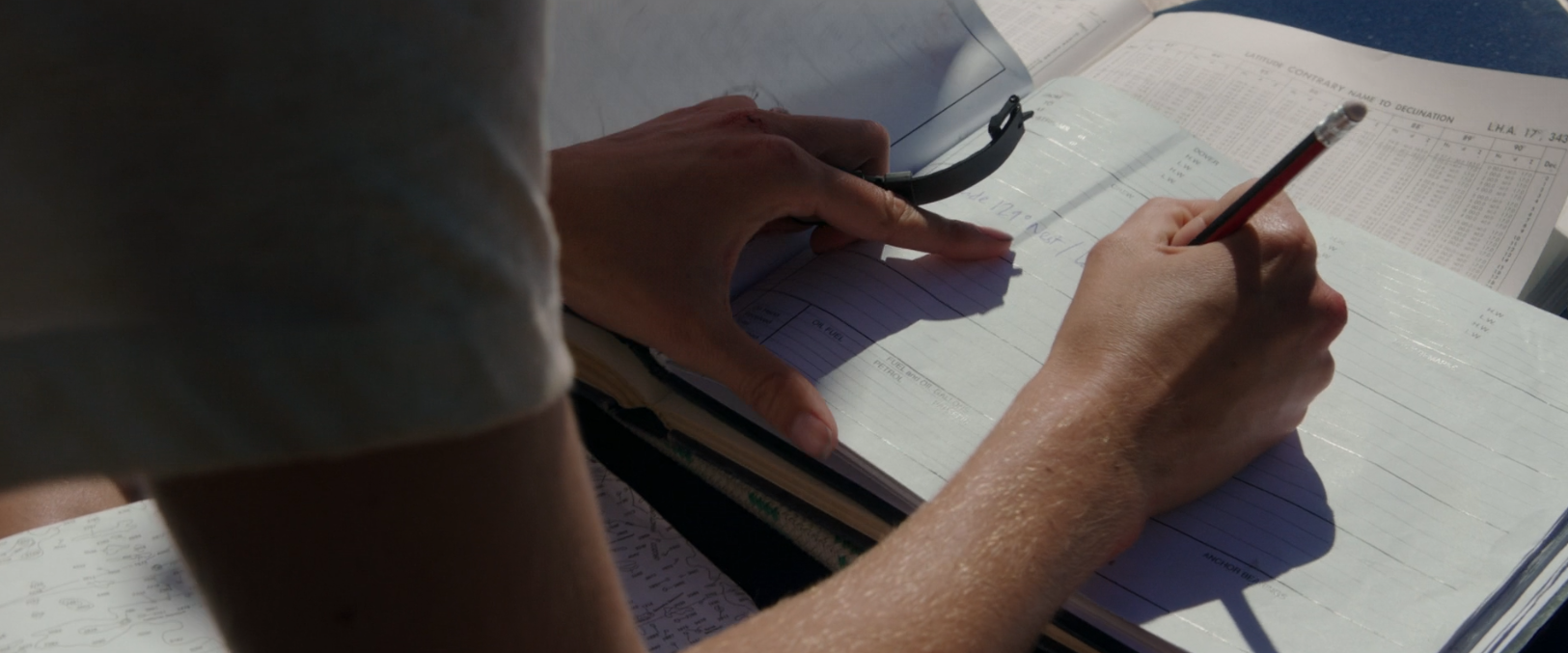
In film theory, "show, don't tell" is a fundamental principle. Show it through visuals, actions, sounds, and all that "film stuff" rather than stating plot points directly through dialogue or narration. Eschew explication! On the other hand "show your paperwork" is never a good idea in a film. Pencil and paper calculations lack excitement. They are bereft of drama. They scream "dullsville"! There were some hints of celestial navigation calculations in "All Is Lost" which served a dramatic purpose of demonstrating the mundane tasks that could bring "Our Man" back from the brink after he lost his boat and symbolically his liefe. In these screen captures from another recent film, we see a navigator in the Pacific taking Sun sights and also some hints of the paperwork required to get the latitude and longitude. The film is based on a real sailing tragedy in the pre-GPS era. Here's a challenge: Name that film. I offer no more hints than the screen captures... no more hints than the screen captures! Challenge two: what sextant is that? What make and model? Challenge three: If you have made it this far, then for a more amusing challenge, deep in the abyss of geeky nitpicking :), see if you can decide whether the pages open in the sight reduction tables make sense for the setting! I think that's H.O. 229 that she's using, but I didn't look too closely...
Frank Reed