NavList:
A Community Devoted to the Preservation and Practice of Celestial Navigation and Other Methods of Traditional Wayfinding


From: Frank Reed
Date: 2026 Jun 17, 09:08 -0700
For Lafayette, IN:
Find a spot where you can see the Sun aligned with some foreground object, like a tree branch or roof peak, at about 12:40pm EDT. Mark that location (a rock on the ground? take a photo of your feet with your phone?) so you can return to it 2h 48min later to see the beginning of the occultation. Also find a spot where the Sun is aligned with a foreground object at 2:05pm EDT for the end of the occultation. Note that these Sun alignment times can be off by a few minutes. No problem.
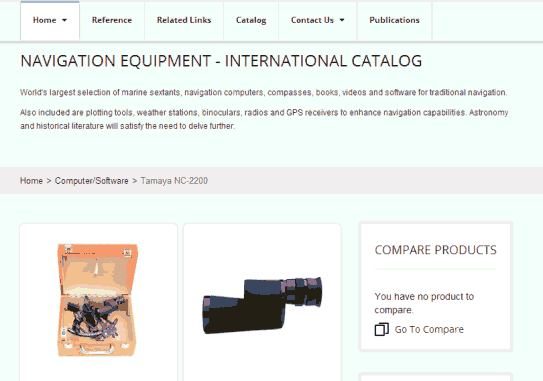
For your location, the occultation will begin at 3:26pm near azimuth 138°, altitude 66° and end at 4:53pm EDT near azimuth 193°, altitude 70°. Start observing five minutes before those times. Venus sitting on the limb of the Moon will be where the Sun was earlier but lower in altitude by about 3° (not much for binocular or sextant scope viewing). So go back to the location you identified earlier and aim your scope there. The slim crescent moon may be harder to see than Venus.
I observed Venus in the middle of the day here yesterday, and it was painful at meridian passage! At that high altitude I highly recommend stretching out or sitting back in a chair.
Venus is still a month or more from really easy daytime visibility. When you're aligned looking in the right direction (using the Sun comparison trick above), scan slowly with your binoculars, just a few degrees in the immediate vicinity. It will jump out at you when you finally spot it. It's very bright! But it's easy to lose again, so stick with it. And scanning slowly is critical. Your vision system (eyes+brain) will ignore it until its dead-center in your field of vision.
Frank Reed